
Hila | Reabilitacijos ir sporto medicinos centras Kaune
Perkūno al. 5, Kaunas
07.00–20.00 val.
Hila | Reabilitacijos ir sporto medicinos centras Klaipėdoje
Taikos pr. 62, Klaipėda
07.00–20.00 val.

Visos centro medicinos paslaugų patalpos pritaikytos neįgaliesiems.
Nemokama automobilių stovėjimo aikštelė – pastato dešinėje.
Kineziterapijos užsiėmimui ir kai kuriems tyrimams prašome atvykti su sportine apranga.
Hila | Reabilitacijos ir sporto medicinos centras (Šeimyniškių g. 19C)
Šeimyniškių g. 19C, Vilnius
07.00–20.00 val.
Visos centro medicinos paslaugų patalpos pritaikytos neįgaliesiems.
Kineziterapijos užsiėmimui ir kai kuriems tyrimams prašome atvykti su sportine apranga.
Hila | Medicinos ir diagnostikos gydymo centras
V. Grybo g. 32A, Vilnius
07.00–20.00 val.
MRT tyrimai atliekami 06.00-21.30 val.
8.00–15.00 val.
MRT tyrimai atliekami 06.30-18.30 val.
Atliekami tik MRT tyrimai!
MRT tyrimai atliekami 07.00-19.00 val.
Paskutinis laboratorinis tyrimas atliekamas likus 30 min iki darbo pabaigos.
Nemokama automobilių stovėjimo aikštelė – pastato dešinėje.
Visos centro medicinos paslaugų patalpos pritaikytos neįgaliesiems.
Hila | Šeimos medicinos centras (V. Grybo g. 32)
V. Grybo g. 32, Vilnius
07.00–20.00 val.
8.00–14.00 val.
Visos centro medicinos paslaugų patalpos pritaikytos neįgaliesiems.
Nemokama automobilių stovėjimo aikštelė – pastato dešinėje.
Hila | Laboratorinės diagnostikos centras
Grybo g. 32A, Vilnius
08.00–20.00 val.
08.00–15.00 val.
Paskutinis laboratorinis tyrimas atliekamas likus 30 min iki darbo pabaigos.
Hila | Reabilitacijos ir sporto medicinos centras (Bičiulių g.36)
Bičiulių g. 36, Vilniaus r. sav.
07.00–20.00 val.
09.00–15.00 val.
Visos centro medicinos paslaugų patalpos pritaikytos neįgaliesiems.
Automobilių stovėjimo aikštelė (parkingas) prekybos centro teritorijoje.
Kineziterapijos užsiėmimui prašome atvykti su sportine apranga.
Hila | Šeimos medicinos centras (Laisvės pr.10A)
Laisvės pr. 10A, Vilnius
7.30–20.00 val.
Paskutinis laboratorinis tyrimas atliekamas likus 30 min iki darbo pabaigos.
Nemokamas automobilio stovėjimas iki 3 val. informavus Hila administratorę.
Visos mūsų centro medicinos paslaugų patalpos pritaikytos neįgaliesiems.
Hila | Šeimos medicinos centras (Estų g.1)
Estų g. 1, Vilnius
7.30–20.00 val.
Paskutinis laboratorinis tyrimas atliekamas likus 30 min iki darbo pabaigos.
Nemokamas automobilio stovėjimas prekybos centro aikštelėje.
Visos mūsų centro medicinos paslaugų patalpos pritaikytos neįgaliesiems.
Hila | Šeimos medicinos centras (Bičiulių g.36)
Bičiulių g. 36, Vilniaus r. sav.
07.00–20.00 val.
Visos mūsų centro medicinos paslaugų patalpos pritaikytos neįgaliesiems.
Nemokamas automobilio stovėjimas prekybos centro aikštelėje.
Paskutinis laboratorinis tyrimas atliekamas likus 30 min iki darbo pabaigos.
Hila | Reabilitacijos ir sporto medicinos centras (V. Grybo g. 32)
V. Grybo g. 32, Vilnius
07.00–20.00 val.
Kineziterapijos užsiėmimui ir kai kuriems tyrimams prašome atvykti su sportine apranga.
Nemokama automobilių stovėjimo aikštelė – pastato dešinėje.
Visos centro medicinos paslaugų patalpos pritaikytos neįgaliesiems.
Hila | Reabilitacijos ir sporto medicinos centras (Lvivo g. 101)
Lvivo g. 101, Vilnius
07.00–20.00 val.
Kineziterapijos užsiėmimui ir kai kuriems tyrimams prašome atvykti su sportine apranga.
Mokama automobilių stovėjimo aikštelė (parkingas) - UNIPARK ir ParkTown.
Instrukcija kaip atsiskaityti už UNIPARK skaitykite ČIA.
Visos centro medicinos paslaugų patalpos pritaikytos neįgaliesiems.
Hila | Reabilitacijos ir sporto medicinos centras (Estų g. 1)
Estų g. 1, Vilnius
07.00–20.00 val.
09.00–15.00 val.
Kineziterapijos užsiėmimui prašome atvykti su sportine apranga.
Automobilių stovėjimo aikštelė (parkingas) prekybos centro teritorijoje.
Visos centro medicinos paslaugų patalpos pritaikytos neįgaliesiems.




Since 2003
professional experience
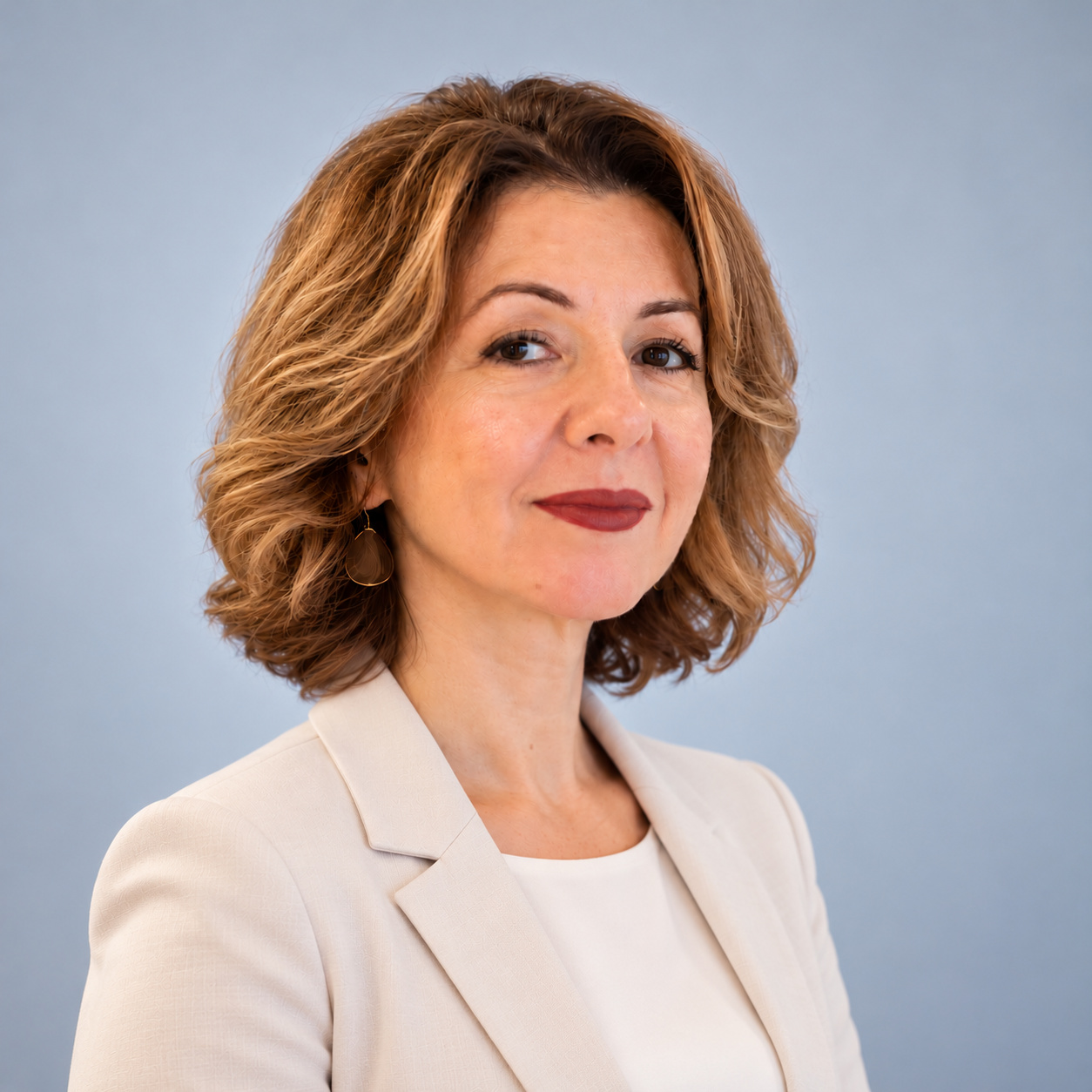
A psychiatrist with over 20 years’ clinical experience in Lithuania and the United Kingdom. She worked as a consultant psychiatrist within the UK’s National Health Service (NHS), founded and managed a crisis intervention centre in Vilnius, and founded and managed a private mental health clinic.
She counsels adults on depression and other mood disorders, anxiety and panic, stress- and trauma-related disorders, ADHD in adults, burnout and psychosomatic disorders. She has extensive experience in helping people experiencing emotional crises, major life changes, or those suffering from cancer and chronic illnesses.
She reviews the long-term use of psychotropic medication and, where clinically appropriate, assists with the planned and gradual reduction or discontinuation of medication, whilst closely monitoring the patient’s condition.
She was the first in Lithuania to provide specialised support for adults with ADHD. A UK-certified clinical and educational supervisor: she has trained medical residents, police officers and ambulance staff, and has participated in international mental health projects in Georgia and Ukraine.
Please note! The doctor offers remote consultations in Lithuanian, English and Russian via the uhealth app. Appointment registration is also available through the uhealth platform.
Diagnoses and treats the following conditions
- Depression and other mood disorders (including bipolar disorder)
- Anxiety disorders, panic attacks, phobias
- Attention Deficit Hyperactivity Disorder
- Burnout, chronic stress
- Psychosomatic disorders
- Emotional difficulties associated with cancer and chronic illnesses
The following tests and procedures are most commonly prescribed and carried out
- A comprehensive psychiatric assessment and diagnosis
- Drawing up an individual treatment plan, selecting and monitoring medication and non-pharmacological interventions
- Medication review and safe tapering (deprescribing). Mental health medication is often taken for years on end without anyone assessing whether it is still needed, and stopping it suddenly can lead to withdrawal symptoms or a relapse of the illness. The doctor assesses whether the medication is still necessary and, if not, helps to gradually reduce the dose or stop it altogether, whilst monitoring the patient’s condition.
- Psychoeducation for patients and their families
